Beyond the Articulated Dragon: How Makerspaces Are Fueling the Next Wave of Hardware Startups
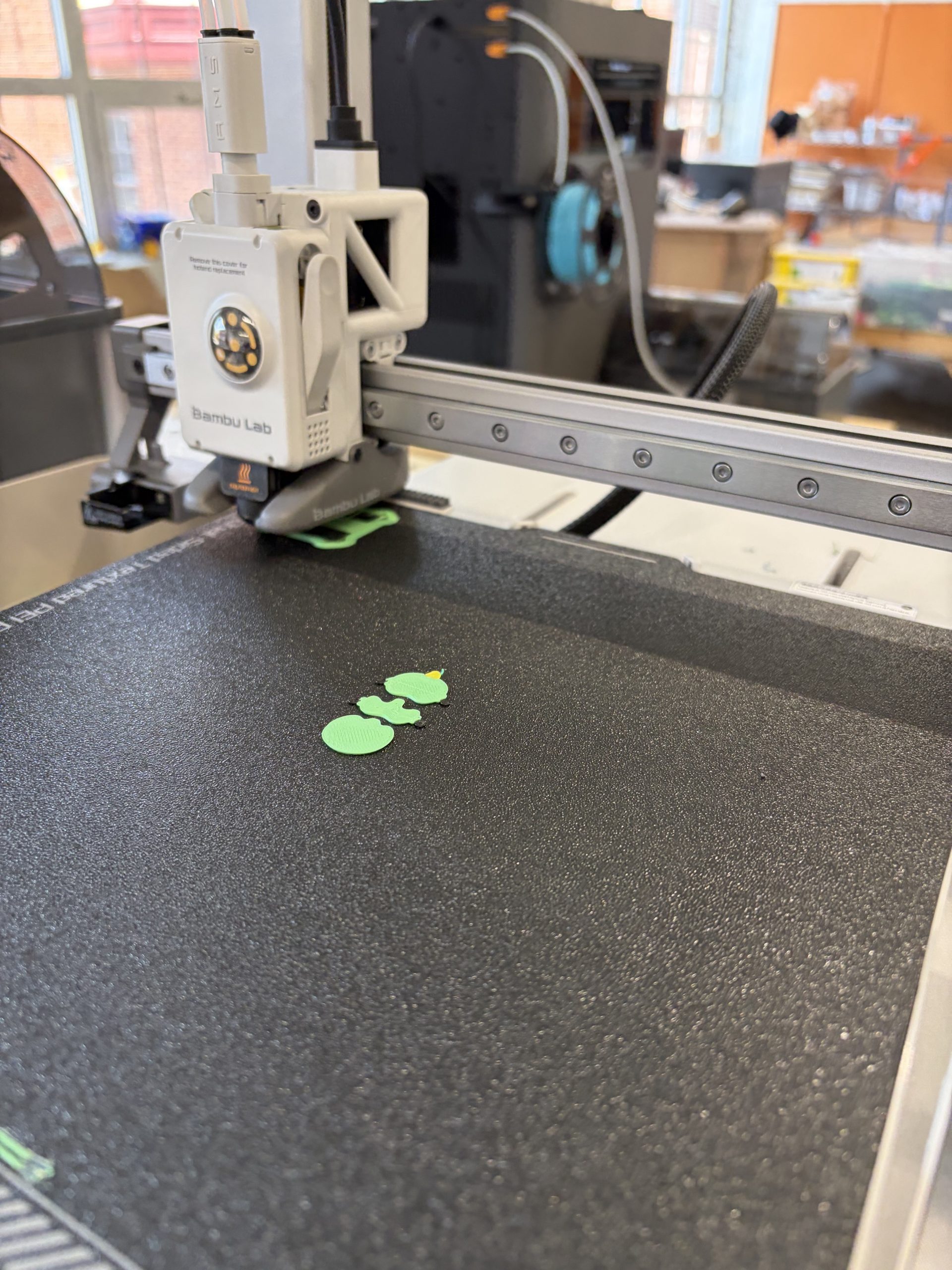
If you walk into a typical community makerspace, there is a very high probability you will hear the rhythmic hum of a laser engraver personalizing that charcuterie board, or a 3D printer churning out a plastic, fidget spinner or articulated toy dragon.
These spaces have been stereotyped as high-tech hobbyist dens—playgrounds for DIY enthusiasts, crafters, and students learning the basics of digital modeling. But underneath the layers of plastic toys and trinket trays lies a powerful, paradigm-shifting reality: makerspaces are quietly serving as the launchpads for the next generation of physical technology startups.
With the right tools, community, and mindset, a makerspace ceases to be just a craft room and becomes a high-octane incubator for hardware entrepreneurship. Our community makerspaces become a modern collaborative workspace bridging the gap between inspiration and physical reality.
Lowering the Barrier to Entry for “Tough Tech”
In the software world, launching a startup requires little more than a laptop, an internet connection, and some coffee. In hardware and “Tough Tech”—fields like medical devices, clean energy, and robotics—the barriers are monumental. Before a founder can even show a prototype to an investor, they often need access to hundreds of thousands of dollars worth of precision machinery.
Enter the Makerspace. By offering shared access to industrial-grade tools, they lower the cost of physical prototyping from “prohibitive” to “manageable”.
In a traditional path, a startup or entrepreneur would need to invest upwards of $100K just to outfit a private workshop with CNC’s, laser cutters, 3d printers, and an electronics lab. Or a company would need to hire a CAD designer, outsource the prototyping to an overseas company, and wait. The back and forth of interactions and iterations could add months to a project.
By providing a “community” makerspace, entrepreneurs have a lower barrier to entry for design and prototyping. It is local, right in their back yard. Instead of spending thousands, a startup could share access through subscriptions or fees to the local makerspace, prototyping could be a quarter of the larger price tag. Designing a CAD model in the morning, CNC milling or 3d printing the prototype in the afternoon, and maybe even testing it by dinner. That is the difference a tech centric makerspace makes.
From Maker to Founder
How does a startup actually leverage a makerspace to go from a napkin sketch to a venture-backed company? The journey typically spans three core phases of rapid prototyping:
1. Looks-Like / Works-Like Prototyping
A founder needs to prove their idea is physically possible. Using 3D printers, laser cutters, and development boards like Arduinos or Raspberry Pis, they can quickly rig up a crude, functional version of their device. It might look ugly, but it proves the core mechanics and electronics.
2. High-Fidelity Engineering
Once the concept is proven, the prototype must evolve to withstand real-world testing. This is where professional-grade makerspace equipment comes in:
- 3D Printers: To create smooth, snap-fit enclosures that look and feel like injection-molded plastic.
- Desktop CNC Mills: For cutting aluminum, brass, or carbon-fiber components that require structural strength and tight tolerances.
- Electronics Workbenches: Equipped with reflow ovens, high-end soldering stations, and oscilloscopes to design, populate, and test custom printed circuit boards (PCBs).
3. Design for Manufacturability (DFM)
Before manufacturing in bulk, a startup must refine their design so it can actually be mass-produced efficiently. Makerspaces often host experts, mentors, and local manufacturing representatives who help startups optimize their designs, preventing costly tooling mistakes down the road.
The Ultimate Secret Weapon: The Community
While the high end laser cutters and 5-axis CNC mills are impressive, the most valuable asset in any makerspace is the human network.
Hardware startups rarely fail because of a single broken machine; they fail because of complex, multidisciplinary blind spots. An electrical engineer might design a brilliant circuit board but have no idea how to design an ergonomic plastic shell. A mechanical genius might build a flawless physical linkage but struggle to write the firmware to control it.
Inside the makerspace, these minds occupy the same physical room. Help is usually just a workbench away. It is an organic incubator where peer-to-peer mentorship replaces rigid corporate hierarchies, allowing startups to solve highly complex, multidisciplinary problems in real time.
Real-World Impact: The MAGIC Model
To see this transformation in action, look no further than Westminster, Maryland. The Mid-Atlantic Gigabit Innovation Collaboratory (MAGIC) is proving that makerspaces can actively build tech ecosystems far outside of traditional big-city Silicon Valleys. That is why we have positioned Westminster, and Carroll County as our own “Silicon Main Street”. Small town collaboration with big city ability.
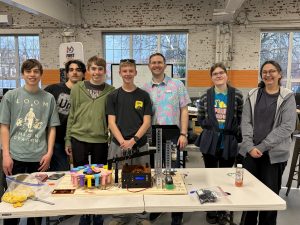
Supported by the City of Westminster, Carroll County Commissioners, and the Maryland Makerspace Initiative Program (TEDCO) MAGIC operates as a non-profit, driving high-technology innovation, education, and incubation within the community. Through our Autonomous Robotics Innovation Center (ARIC), we demonstrate how makerspace environments shift a community’s mindset from passive consumption to active, real-world creation.
Rather than building toys, aspiring students and startup innovators in this ecosystem protype and build functional solutions. The projects that come through our door do more than teach people how to run a 3D printer. By blending coding, mechanical assembly, and empathetic design, organizations like MAGIC are proving that makerspaces aren’t just hobbyist outlets. They are local economic engines, workforce development classrooms, and startup launchpads where anyone can acquire high-demand STEM skills and build physical tools to serve their neighbors.
The next time you see a 3D printer slowly layering filament, look past the novelty. The exact same technology is democratizing innovation, lowering startup barriers, and enabling local communities to actively shape their own technological future.
To learn more, check out our ARIC website.